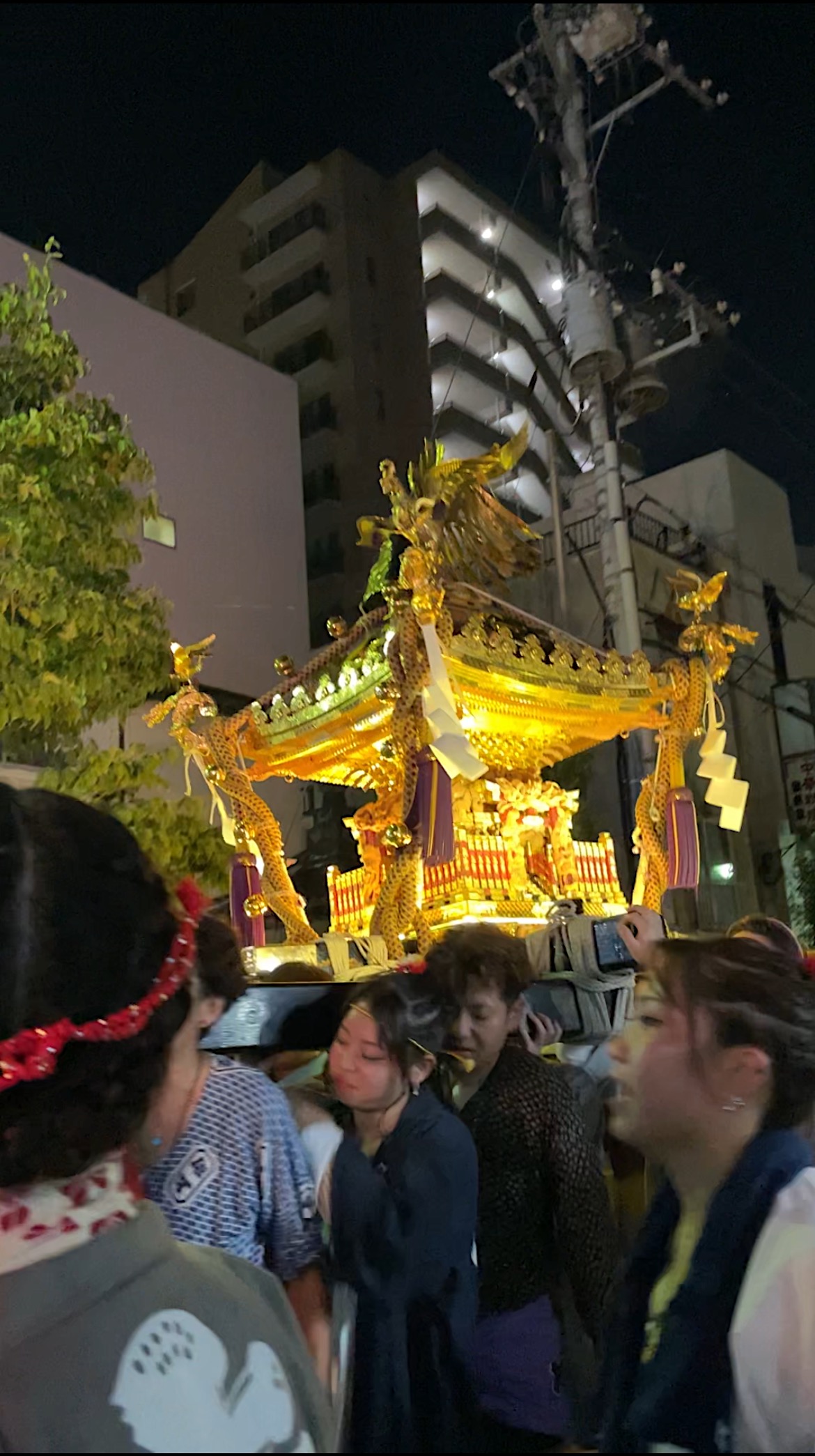
Mikoshi palanquin, also known as a portable Shinto shrine, is a transportation vessel for the gods. Mikoshi is usually shaped like a miniature building, with columns, walls, a roof, a porch, and railing, all eye-catchingly decorated. The roof is carved with a gilded phoenix, symbolizing nobility, as palanquins adorned with phoenixes are reserved for royalty or gods.
The Mikoshi palanquin carrying festival is usually held in early summer, from around July to mid-August. According to the Japanese notion, summer is the season that brings many disasters due to diseases, storms, floods, and insects that destroy crops. Therefore, the Mikoshi parade will help the gods go around the temples, listen to everyone’s prayers and wishes for a good harvest, and simultaneously absorb the spiritual energy of heaven and earth, purifying disasters and diseases.
Kiệu Mikoshi, hay còn được gọi là đền thờ thần đạo di động, đóng vai trò như là phương tiện di chuyển của các vị thần. Vì vậy, thông thường Mikoshi có hình dạng giống một tòa nhà thu nhỏ, với cột, tường, mái, hiên và lan can được trang trí bắt mắt. Phần mái được chạm khắc phượng hoàng mạ vàng để thể hiện sự cao quý, bởi vì chỉ có hoàng gia hoặc thần linh mới được sử dụng kiệu có trang trí bằng phượng hoàng.
Lễ hội khiêng kiệu Mikoshi thường được tổ chức vào đầu mùa hè, từ khoảng tháng 7 đến giữa tháng 8 hàng năm. Theo quan niệm người Nhật xưa, mùa hè là mùa mang đến nhiều tai họa do bệnh tật, bão lụt, côn trùng phá hoại mùa màng phát triển mạnh mẽ… Vậy nên, việc diễu hành kiệu Mikoshi sẽ giúp các vị thần linh đi quanh các đền thờ, lắng nghe những lời cầu nguyện và mong muốn của mọi người về một mùa màng bội thu, đồng thời hấp thụ linh khí đất trời, thanh tẩy tai họa, ô uế và bệnh tật.
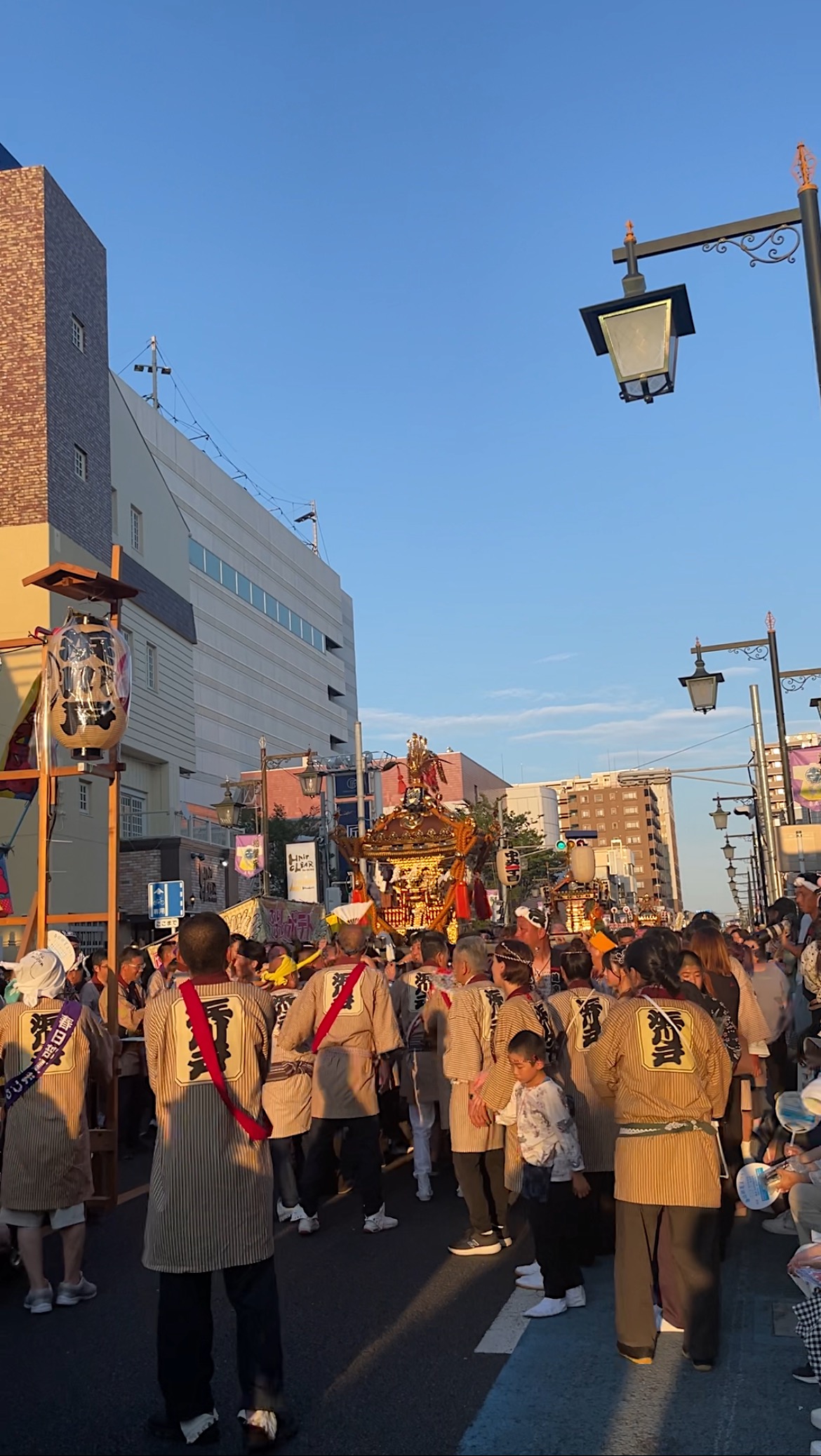
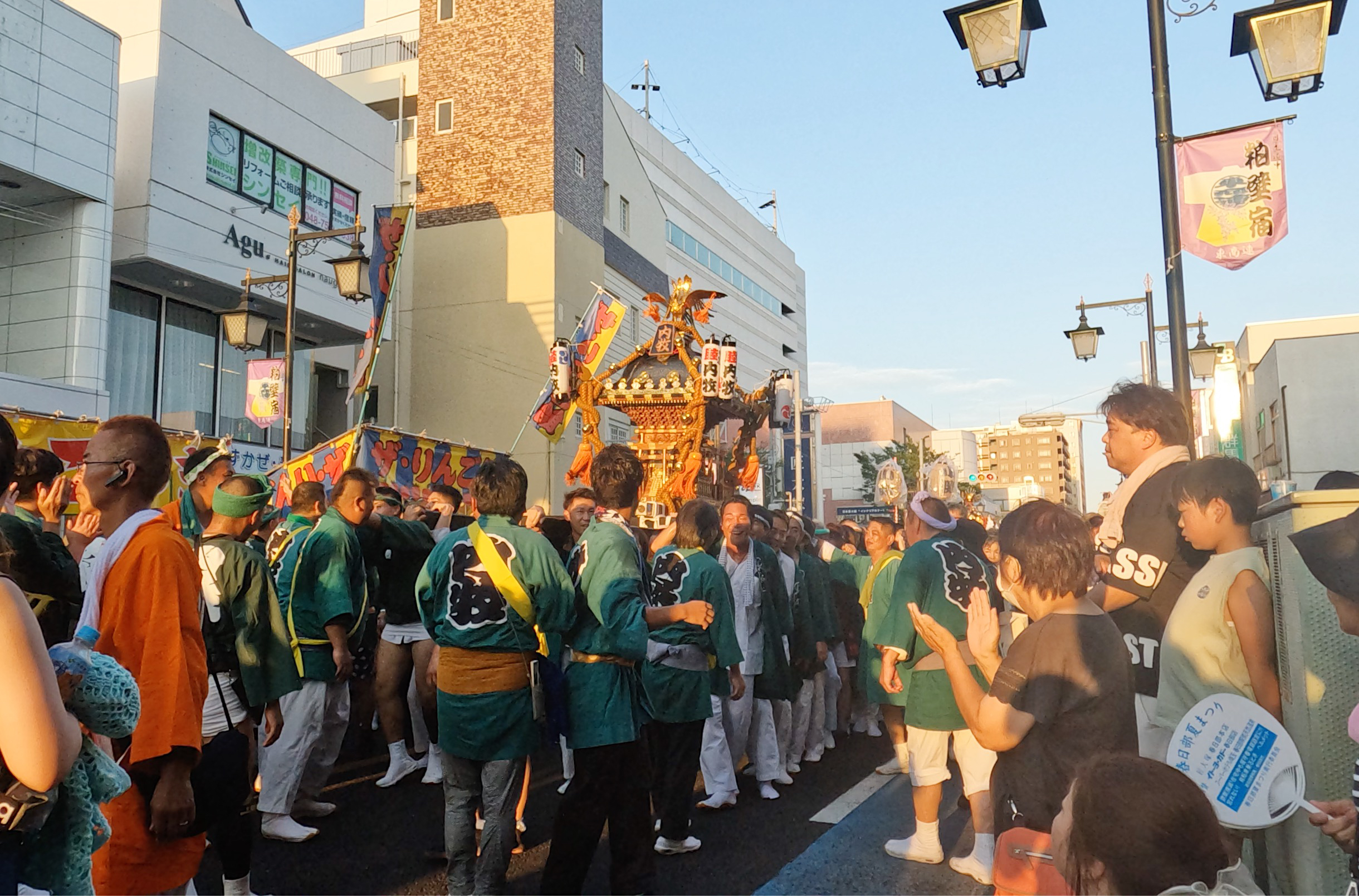
Depending on the scale of the festival, there are different numbers and sizes of Mikoshi. On average, Mikoshi weighs hundreds of kilograms to a ton, so carrying the palanquin also requires a lot of people and practice effort. During the palanquin-carrying festival, the people who walk around the palanquin will be responsible for changing people when the palanquin bearer gets too tired.
Tuỳ vào quy mô lễ hội mà có số lượng các Mikoshi lớn nhỏ khác nhau. Trung bình, những chiếc kiệu Mikoshi như này nặng hàng trăm kg đến cả tấn, nên việc khiêng kiệu cũng cần rất nhiều người và công sức tập trung. Trong lễ hội khiêng kiệu, những người đi xung quanh kiệu có nhiệm vụ đổi người khi người khiêng kiệu quá mệt.
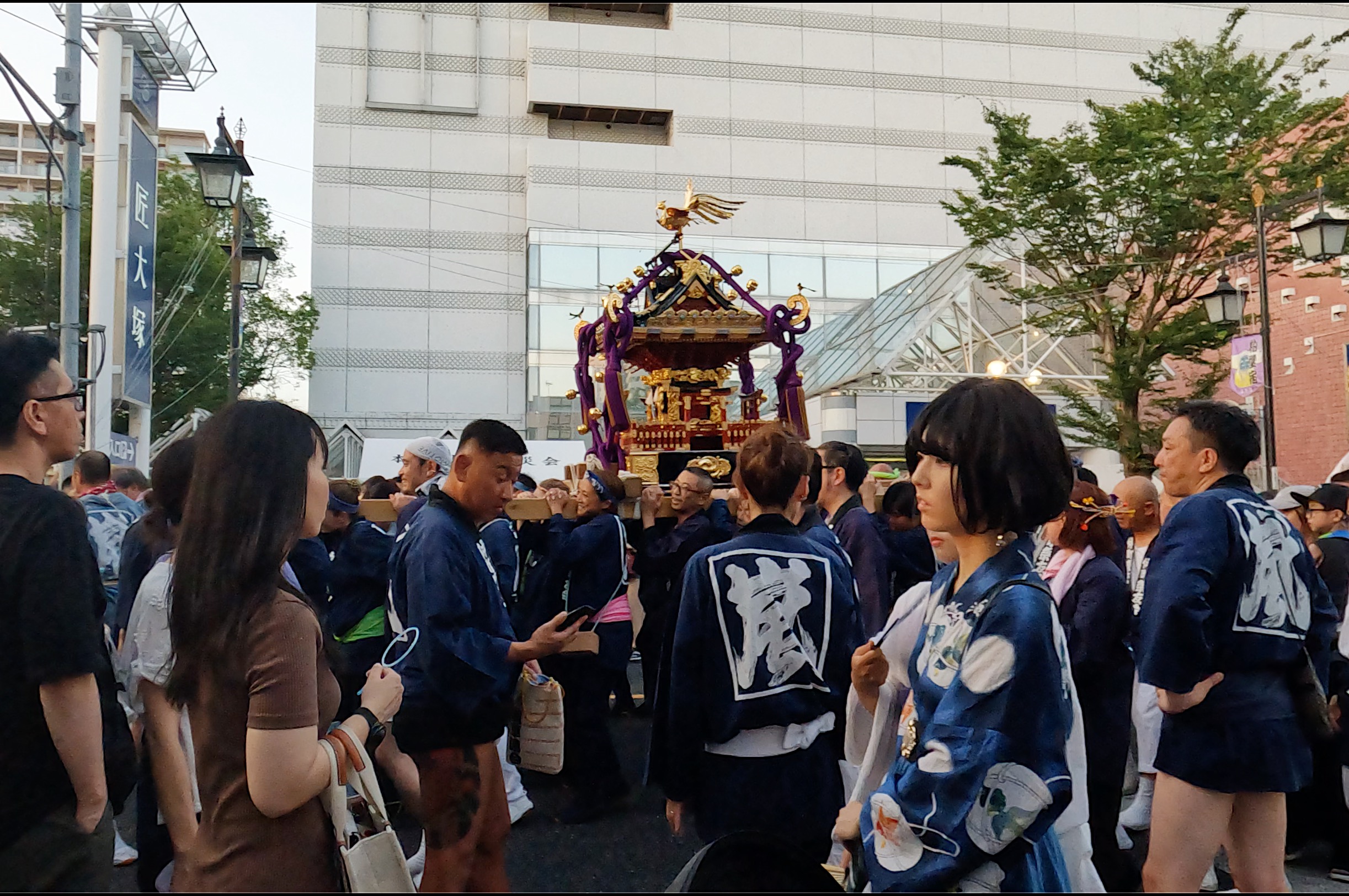
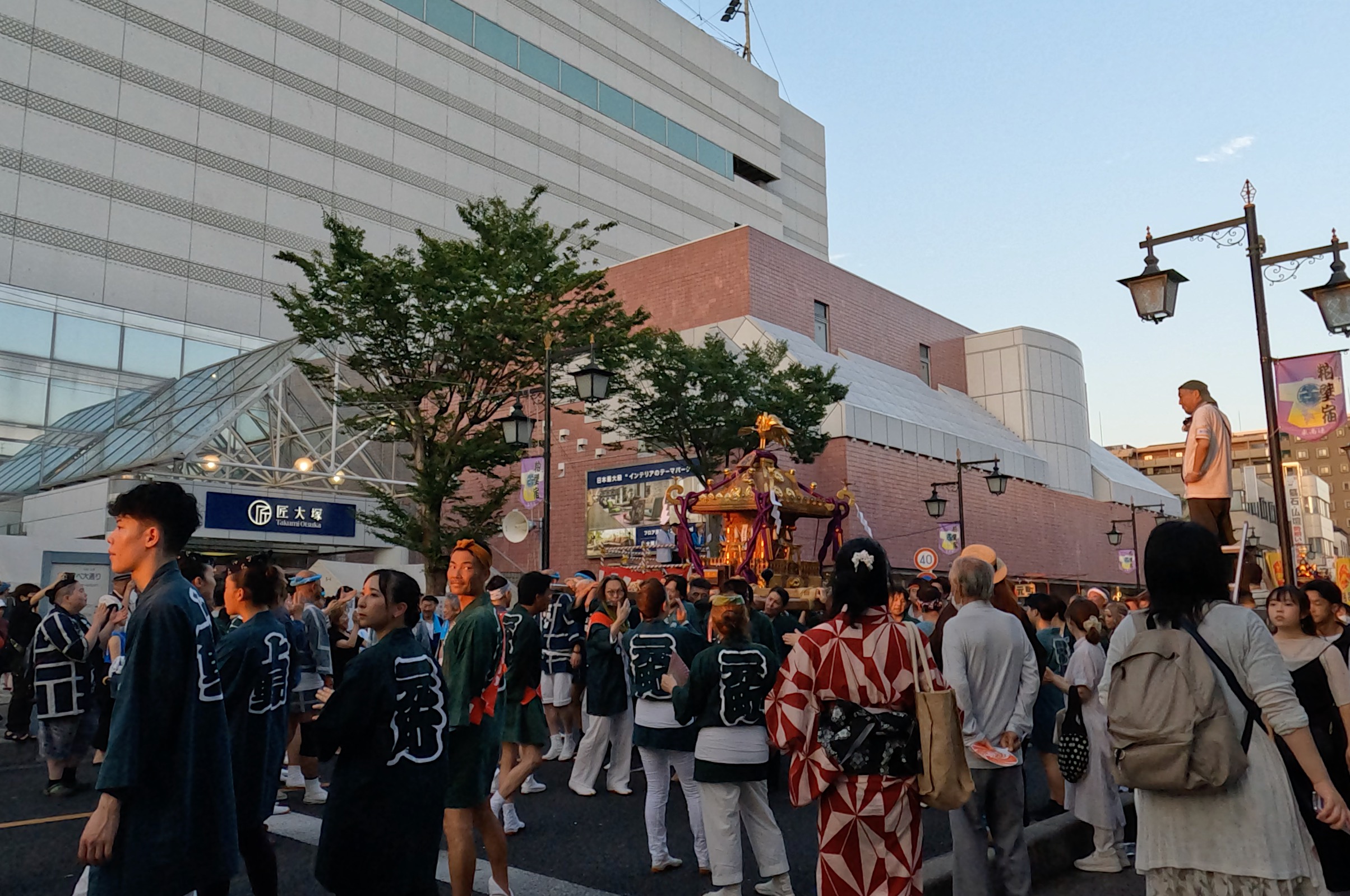
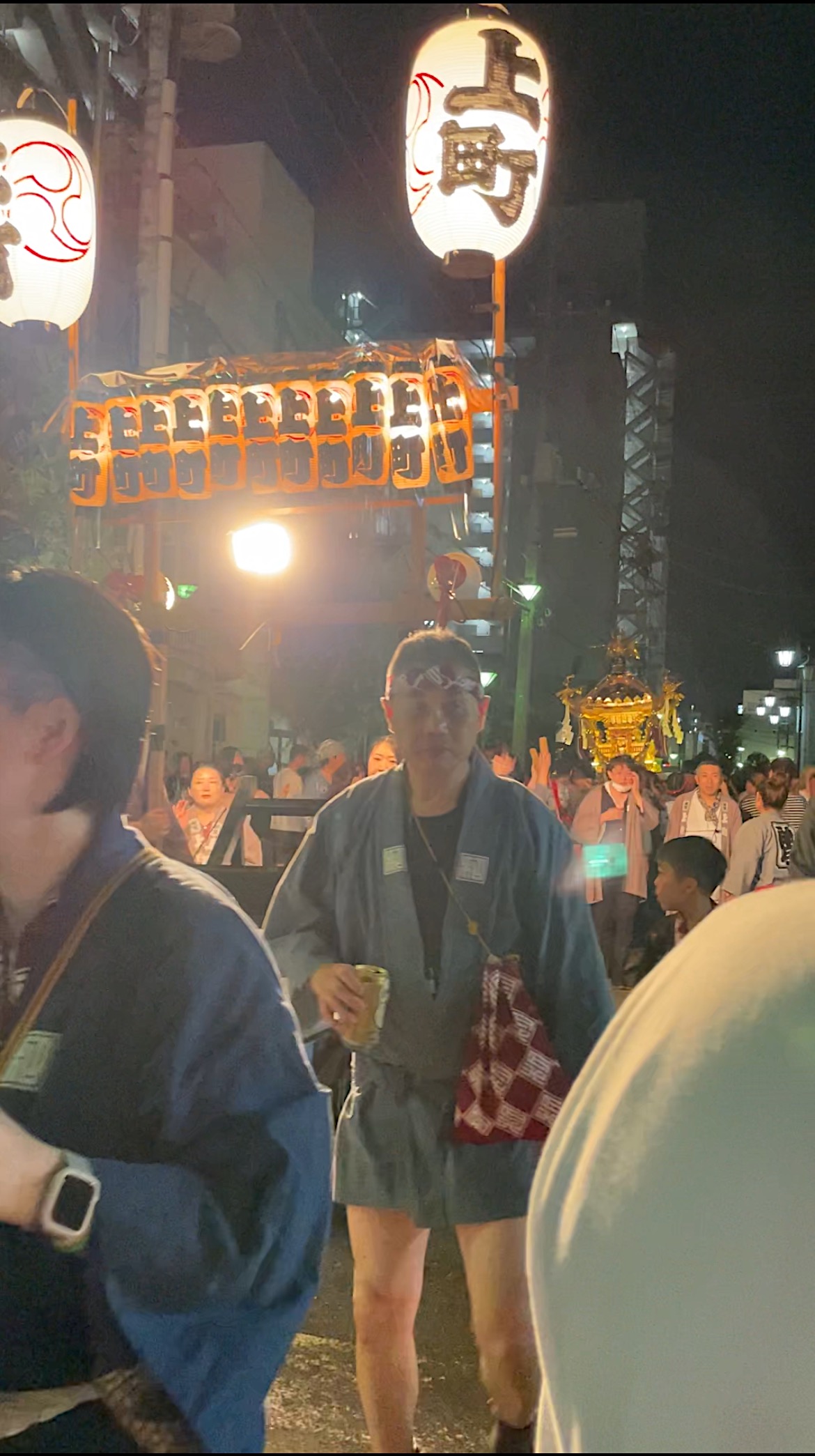
The Mikoshi carrying ceremony usually takes place from sunset to evening. The palanquin-bearing group parades through the streets surrounding the festival venue from dawn to dusk, which is the time when the Mikoshi lights up. The shimmering light is also a part of expressing the beauty of the Mikoshi.
Lễ khiêng kiệu Mikoshi thường diễn ra từ lúc hoàng hôn đến tối, đoàn khiêng kiệu sẽ diễu hành khắp các con phố xung quanh nơi tổ chức lễ hội, từ lúc trời còn sáng đến lúc tối dần thì cũng là lúc những chiếc Mikoshi lên đèn ánh sáng lung linh, đây cũng là một phần để thể hiện vẻ đẹp của Mikoshi.
 Japan in eyes